
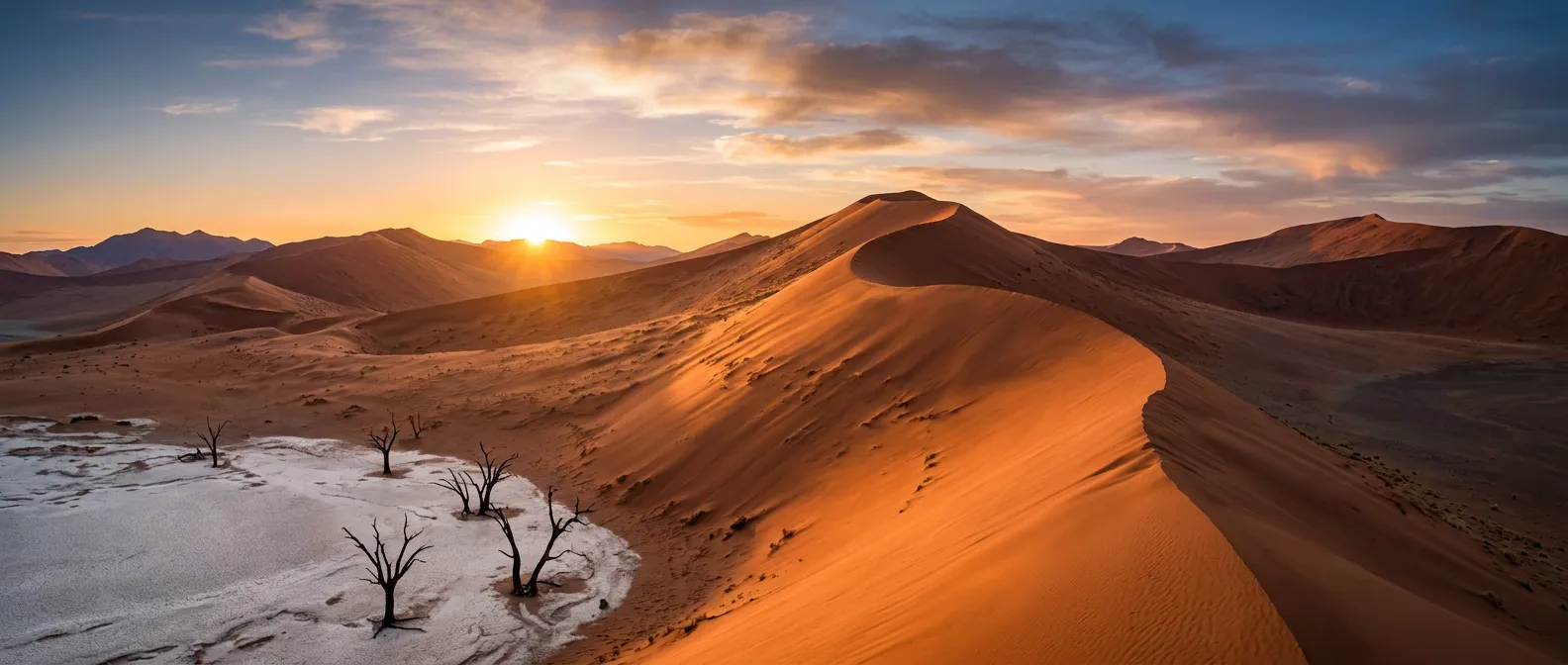
Namibia is widely regarded as one of the safest countries in sub-Saharan Africa for international visitors. With its vast deserts, dramatic coastlines, and world-class wildlife reserves, the country draws hundreds of thousands of tourists each year – most of whom enjoy trouble-free trips. That said, like any destination, Namibia has specific safety considerations every traveler should understand before arrival.
This guide covers crime awareness, road safety, health precautions, wildlife encounters, natural hazards, and practical tips to help you stay safe throughout your Namibian journey.
Is Namibia Safe for Tourists?
Both the UK Foreign, Commonwealth & Development Office (FCDO) and the Government of Canada advise travelers to exercise a high degree of caution in Namibia, primarily due to crime levels – particularly in Windhoek. This is a standard advisory level shared with many popular tourist destinations worldwide and does not indicate that travel should be avoided.
Namibia remains significantly safer than many of its regional neighbors. Violent crime targeting tourists is relatively rare, and most visits are incident-free. The main risks involve petty theft, opportunistic crime, and road safety rather than any systematic threat to visitors.
The country has a stable democratic government, well-maintained tourist infrastructure in key areas, and a tourism industry that prioritizes visitor safety. National parks and private reserves have professional management with established safety protocols.
Crime and Personal Safety in Namibia
Petty Crime
Petty crime – including pickpocketing, bag snatching, and mobile phone theft – occurs most frequently in:
- Windhoek city center, especially after dark
- Popular tourist areas and markets
- Crowded shopping areas
- Unattended vehicles at gas stations
- ATM locations and surrounding areas
How to reduce your risk:
- Keep valuables out of sight or use your hotel safe
- Avoid displaying expensive jewelry, cameras, or large amounts of cash
- Stay aware of your surroundings, particularly after dark
- Walk in well-lit, populated areas at night
- Use ATMs inside banks or well-lit public areas – never isolated machines
Violent Crime
Violent crime does occur in Namibia, particularly in certain areas of Windhoek. Incidents include muggings, burglaries, and occasionally carjackings. Muggers have been known to target tourists, and attacks can be violent and occur at any time of day, including in busy city-center locations.
Precautions:
- Avoid isolated areas, especially after dark
- Keep accommodation doors and windows locked at all times
- If confronted, remain calm and do not resist – hand over valuables rather than risk escalation
- Do not enter township areas at night unless accompanied by someone with local knowledge
Vehicle Crime and Theft from Cars
Theft from vehicles is common, particularly at service stations and tourist parking areas. Gangs sometimes attempt to enter vehicles at busy intersections in Windhoek.
Stay safe by:
- Never leaving your vehicle unattended at fuel stops
- Keeping car doors locked and windows shut, especially in heavy traffic
- Storing valuables in the trunk or out of sight – never on seats
- Parking in well-lit, attended areas whenever possible
Credit Card and ATM Fraud
Credit card skimming has been reported at some hotels and lodges across Namibia.
- Always keep your card in sight during transactions
- Cover the keypad when entering your PIN
- Cancel any transaction if something seems suspicious
- Check your bank statements regularly for unauthorized charges
- Avoid accepting unsolicited help at ATMs
Taxis and Transport Safety
- Do not hail taxis from the street, especially in Windhoek
- Ask your hotel, guesthouse, or tour operator to arrange reputable taxi services
- Use ride-hailing apps where available
- Avoid shared minibus taxis unless you are familiar with local transport
Road Safety in Namibia
Road safety is one of the most significant risks for travelers in Namibia. The country has major road safety issues, and fatal accidents are common – often involving tourists in single-vehicle incidents on gravel roads.
Driving Conditions
- Most roads outside urban areas are gravel roads with sloping sand shoulders
- Major intercity roads are often single-lane paved roads with no safety lane
- Road conditions deteriorate significantly during the rainy season (November to March) when gravel roads become slippery
- A 4×4 vehicle may be necessary for travel outside cities
- Night driving outside towns is extremely dangerous due to wildlife and livestock on roads
Road Hazards
Common driving hazards in Namibia include:
- Stray animals – cattle, goats, kudu, and warthogs frequently cross roads
- Excessive speed – tourists often underestimate stopping distances on gravel
- Debris and potholes – especially after rainy season
- Sandstorms reducing visibility in desert areas
- Poorly maintained vehicles from some rental fleets
- Inadequate or missing road signage
- Pedestrians walking on roads, particularly near settlements
Essential Driving Tips
- Do not exceed 80 km/h on gravel roads
- Carry at least 2 spare tires – punctures are extremely common
- Bring plenty of water – at least 5 liters per person per day of travel
- Check road conditions before setting off each day
- Avoid driving at night outside towns – wildlife collisions are a serious risk
- Fill up fuel whenever possible – gas stations can be 200+ km apart
- Travel in convoy of at least two vehicles in remote areas
- Share your itinerary with someone and carry a satellite phone or VHF radio
- Stop for rest every 2 hours – fatigue on long, straight desert roads is a major accident cause
- Get comprehensive insurance – most policies exclude single-vehicle accidents on gravel
Police Roadblocks
Police roadblocks are common in Windhoek and around Namibia’s borders. Always carry your driving license, vehicle rental documents, and passport. Cooperate politely with officers and follow their instructions.
Health and Medical Safety
Medical Facilities
Namibia has good medical facilities in Windhoek, including private hospitals. However, outside the capital, healthcare options are limited. Private hospitals may require payment before treatment, even if you have travel insurance – they may ask you to pay upfront and reclaim from your insurer.
Emergency numbers:
- Ambulance in Windhoek: 211111
- Emergency elsewhere: 10111
Vaccinations and Health Risks
Consult your doctor at least 8 weeks before travel for recommended vaccinations. Key health considerations include:
- Yellow fever – certificate required if arriving from a risk country
- Malaria – risk in northern regions (Zambezi, Kavango, Ohangwena) during rainy season; prophylaxis recommended
- HIV/AIDS – Namibia has one of the world’s highest prevalence rates (~11.8% of adults); take standard precautions
- Sun and heat – the hot, dry climate can cause dehydration and heatstroke; carry sufficient water at all times
- Altitude sickness – risk in some elevated areas
Water Safety
Tap water in Windhoek and major towns is generally safe to drink. In rural areas and camps, stick to bottled or treated water. Always carry a personal water supply when traveling between towns.
Wildlife and Safari Safety
Namibia’s national parks and reserves are among its greatest attractions, but wild animals require respectful caution.
Rules for Park Visits
- Only use reputable guides or professional tour operators
- Never leave your vehicle unless a professional guide says it is safe
- Do not walk around camps at night – animals move freely within park boundaries
- Never leave children unattended in parks or camps
- Maintain safe distances from all wildlife – even herbivores can be dangerous
Specific Animal Risks
- Baboons and monkeys can aggressively confront visitors seeking food
- Elephants are common in northern Namibia and can charge without warning
- Snakes – several venomous species inhabit Namibia; wear closed shoes and watch where you step
- Scorpions – check shoes and bedding, especially in desert camps
- Hippos – extremely dangerous near water; never approach on foot
Desert Safety
The Namib Desert is one of Namibia’s most iconic landscapes, but desert expeditions require serious preparation:
- Never travel alone – hire an experienced guide from a reputable company
- Use a 4×4 vehicle with proper equipment
- Ensure travel insurance covers helicopter rescue and medical evacuation
- Bring sufficient water – dehydration can be fatal
- Monitor weather conditions – sandstorms and flash floods occur
- Share your itinerary with someone and set a return time
Border Areas and Regional Safety
Angola Border
Exercise caution along the Namibia-Angola border due to the risk of banditry and poaching activity. The border is not always clearly marked – only cross at official border posts.
Landmines
Namibia declared itself mine-free in 2001, but residual landmines may still exist in the border area between Katwitwi (Okavango River, Kavango West Region) and Kongola (Zambezi Region). Stay on paved and main roads, cross only at official border crossings, and heed mine warning signs.
Protests and Demonstrations
Demonstrations are rare in Namibia and occur mostly in Windhoek. Even peaceful demonstrations can turn violent. Avoid areas where protests or large gatherings are taking place and follow instructions from local authorities.
Safety for Specific Traveler Groups
Solo Travelers
Namibia is generally safe for solo travelers, but extra vigilance is needed in Windhoek. Avoid walking alone at night, share your itinerary with someone, and consider joining organized tours for remote areas.
LGBTQ+ Travelers
Same-sex relationships are not illegal in Namibia, though certain same-sex sexual acts are technically illegal but rarely prosecuted. Conservative attitudes persist. LGBTQ+ travelers should exercise discretion, particularly in rural areas.
Female Travelers
Namibia is relatively safe for female travelers, though standard precautions apply. Avoid walking alone after dark, use arranged transport rather than hailing taxis, and choose accommodation with good security.
Traveling with Children
Namibia is a family-friendly safari destination, but extra care is needed:
- Keep children close in wildlife areas
- Never leave children unattended near animals or in vehicles
- Carry sufficient water, sunscreen, and first-aid supplies
- Ensure children have valid ID and any required documentation for entry
Practical Safety Checklist for Namibia
Before your trip:
- Check your government’s latest travel advisory
- Arrange comprehensive travel insurance (including medical evacuation)
- Get vaccinations at least 8 weeks before departure
- Make copies of your passport, visa, and important documents
- Register with your embassy
Pack essentials:
- High-SPF sunscreen and a wide-brimmed hat
- Insect repellent (for malaria zones)
- First-aid kit with basic medications
- Sufficient prescription medications in original packaging
- Torch/flashlight and extra batteries
- Satellite phone or VHF radio for remote travel
While in Namibia:
- Keep valuables in your hotel safe
- Avoid walking alone at night in cities
- Lock vehicle doors and keep windows up in traffic
- Do not drive at night outside urban areas
- Stay hydrated – carry water at all times
- Follow all park rules and guide instructions
- Keep emergency numbers saved in your phone
Frequently Asked Questions
Is Namibia safe for tourists in 2025-2026?
Namibia is considered one of the safer countries in sub-Saharan Africa. Both the UK and Canadian governments advise exercising a high degree of caution, primarily due to petty crime in urban areas. Most tourists visit without incident, especially on organized safaris and tours.
What is the biggest safety risk in Namibia?
Road safety is the single biggest risk for travelers. Fatal road accidents – often involving tourists on gravel roads – are common. Excessive speed, wildlife on roads, and long distances between towns all contribute. Driving at night outside urban areas should be avoided entirely.
Is Windhoek safe to walk around?
Windhoek’s city center is generally safe during the day, but caution is needed after dark. Petty crime including pickpocketing and mugging occurs, particularly in poorly lit areas. Use arranged transport at night and avoid displaying valuables.
Do I need malaria tablets for Namibia?
Malaria risk exists in northern Namibia (Zambezi, Kavango, and Ohangwena regions), particularly during the rainy season (November-April). The central and southern desert areas have minimal risk. Consult your doctor for personalized antimalarial advice based on your itinerary.
Is it safe to self-drive in Namibia?
Self-driving is popular and generally safe if you follow key precautions: rent a 4×4, carry two spare tires, never drive at night outside towns, keep to 80 km/h on gravel, and always carry extra water and fuel. Most tourist accidents involve single vehicles on gravel roads due to excessive speed.
Are there dangerous animals in Namibia?
Yes. Namibia has elephants, lions, leopards, hyenas, hippos, venomous snakes, and scorpions. Safari safety rules should always be followed: stay in your vehicle unless told otherwise by a guide, maintain distance from wildlife, and check shoes and bedding in camp areas.
What should I do in an emergency in Namibia?
Call **10111** for police/fire/ambulance outside Windhoek, or **211111** for an ambulance in Windhoek. Private hospitals in Windhoek provide good care but may require upfront payment. Carry your travel insurance details at all times and know your insurer’s emergency contact number.
Final Thoughts
Namibia rewards its visitors with some of the most spectacular landscapes and wildlife experiences on Earth – from the towering dunes of Sossusvlei to the wildlife-rich Etosha Pan. With sensible preparation and awareness of the risks outlined in this guide, you can explore this extraordinary country with confidence.
The key takeaways are simple: stay alert in cities, drive carefully on gravel roads, respect wildlife, and prepare for the desert climate. Do these things, and Namibia will deliver one of the most memorable travel experiences of your life.
For official and up-to-date travel advisories, always consult your government’s foreign travel guidance before departure.